The coming of commemoration season at Kent State has had me reflecting—on over four years of May 4 related activism, and my over two years at the May 4 Visitors Center, in particular. It was during that time that I had the chance to oversee and even help numerous temporary exhibits regarding activism at Kent State, from the anniversary of a particularly important student group to the historical continuity of how movements manifested on our campus. Slogan t-shirts, painted banners, xeroxed flyers—all enshrined behind glass walls and within display cases, occasionally suspended on wires by clamps that I learned firsthand were particularly frustrating to screw to an appropriate tightness.
If there is one lesson I learned from this time in my life, it is that a museum is never truly neutral. This statement has much less to do with the politics of donorship or what have you behind the scenes than what the museumgoer actually experiences. Even the sheer construction of an exhibit can lend greatly to the manner in which its audience digests, interprets, and passes on its information. One may even find it inherently weighty for an accredited institution—especially one tied to a public university—to devote so much space to, as it has for the past fourteen years.
As a historian, bias is a concern I wrestle with regularly as I fuss over which details to emphasize for color and which to dissuade out of fear of some minute unflattering instance overshadowing an intended larger message. Most, however, likely do not think too deeply about bias, aside from our current standards of political polarization. Yet museums in particular are particularly fascinating sites of bias in action, regardless of how willing we may be to bring our children to them.
Take, for example, the surreality of seeing the faces of current student activists—including myself—behind the Reflection Gallery’s glass, our portraits taken by one of my coworkers. Or, if that weren’t enough, try standing on the periphery of protests, watching students hop up on the momentary podium of the bell on the commons just downwind from the Visitors Center, declaring the four who died on May 4 “martyrs,” when none of them thought they were going to die that day. Imagine the jarring combination of the two. If you were me, it would make you extremely aware of the potential for anyone in that sea of young, earnest people to have it on their minds that their mug, their banner, their pamphlet printed out at the library may make it on display somewhere someday.
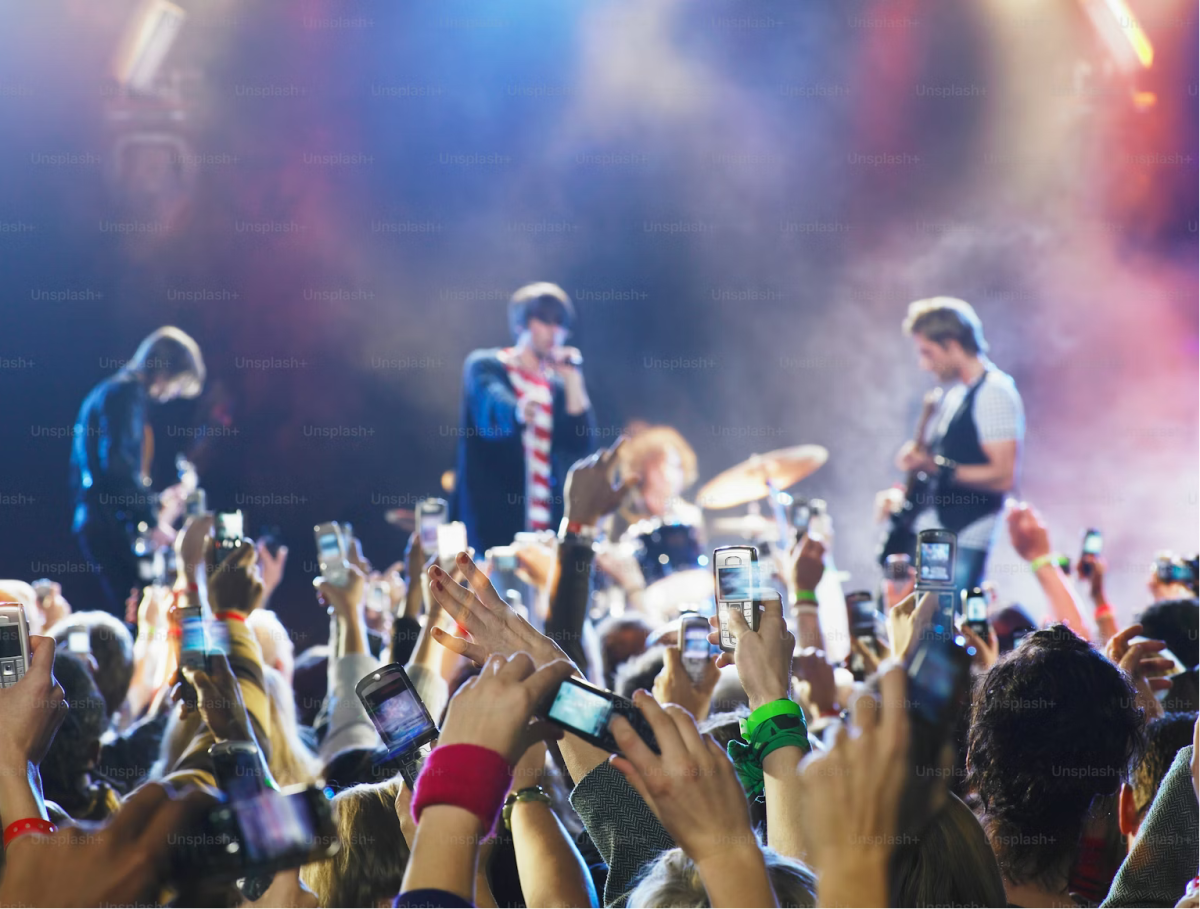
Or so was the most difficult truth that I had to learn: that there are some people in this world—not all who engage in good causes, but some—who would want nothing more than to have an artifact of their own juxtaposition with a makeshift Vietcong flag, who would have visited one of the exhibits I helped install only to imagine their face or fingerprints somewhere within it. When people upload photos of themselves down at the local protest to Facebook days after reposting a memo about turning your location off on your cellphone, they are engaging in this continuum, whether they realize it or not. It is as if the will to not only be righteous but recognized for being so—to have the hard work pay off, either instantly by internet or eventually by archival and enshrinement—has become almost inseparable from the concept of a historical continuum whatsoever. It is as if the visibility granted by such exhibitions—the assumed promise of being on the “right side of history,” even though such a status is never guaranteed—has a psychological influence, a concern much larger than typos on captions.
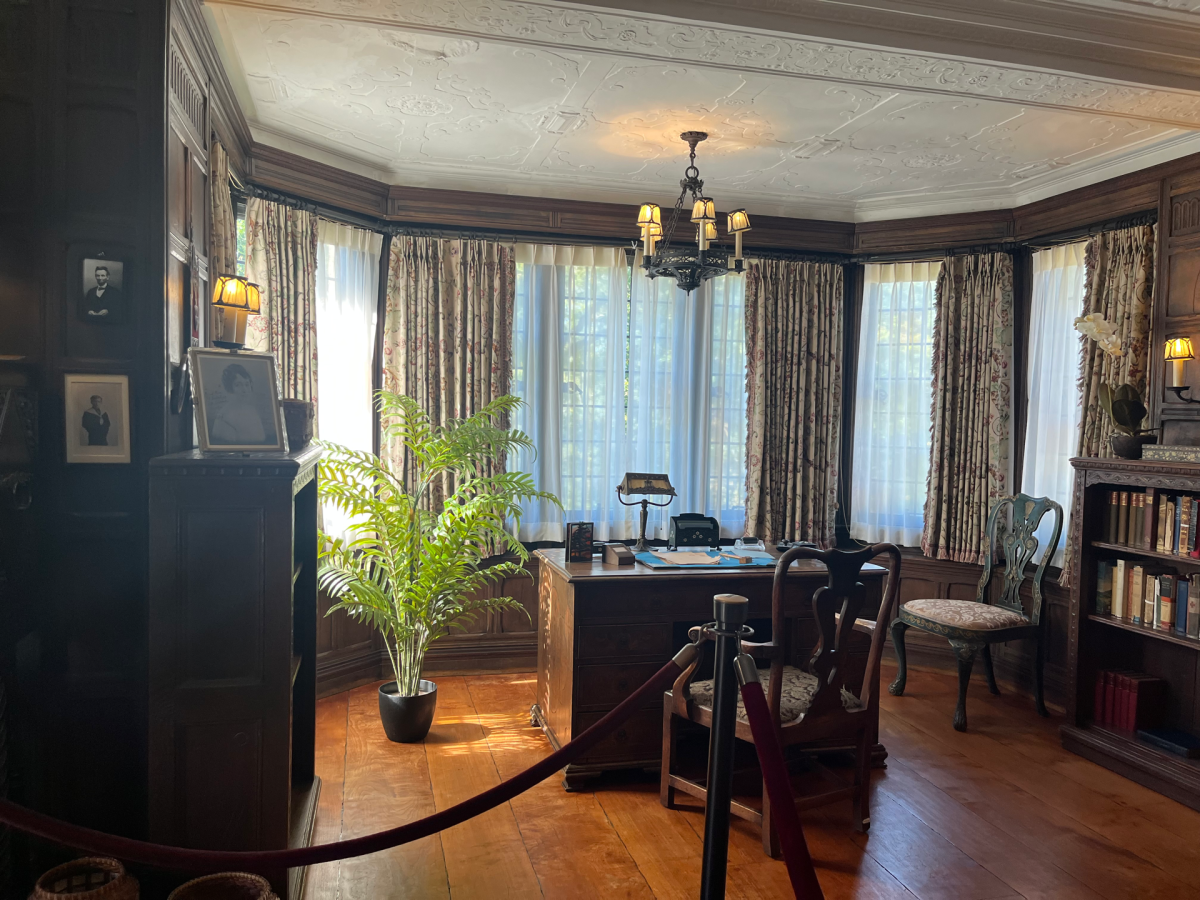
I can imagine this theory manifesting in other ways as well. I’ve been to Stan Hywet in Akron numerous times, and each time I’ve toured the gorgeous hall and gardens I find myself completely ready to move right on in. Which is certainly a testament to its incredible staff, who keep its maze of glorious room after glorious room both tidy and lived-in looking. But I can’t help but wonder if some visitors may find themselves overwhelmed—I certainly was upon my first tour, and entirely with joy.
But look at the state of the world—you’d think that no one was capable of any happiness nowadays. It’s no wonder, then, that people are rooting the past—or at least the analog opulence and grandeur Stan Hywet stands for—for ideas on how to keep sane, posting their junk journals and diaries on Instagram instead of passing them down through generations. But the distraction is only temporary when digital technology has become the standard, despite its whiplash news cycle being a genuine source of dread for many. (Who’s going to be the next titanic cultural figure to die because I opened up Instagram?) And so people remain glued to their screens entirely, resigning themselves to the idea that this is how it is now, and that political figure I don’t like at all is probably going to be the next to go anyway, so I might as well be the first person in my friend group to know.
And so the dishes pile up and the auxiliary rooms are neglected, and we’re not going to be looking much at the walls and carpet anyway so it’s alright if they stay shades of rental-grey. Hobbies fade away to the will of distraction, and we begin to believe that the splendor of Stan Hywet and the O’Neil House (also in Akron, also wonderful) and all the other wonderful old houses in the world carry a beauty that will supposedly never be within our grasp—not in this economy, anyway—and we will have to resign ourselves to only temporary bursts of beauty in the form of day trips, field trips, whatever you call them. Regardless, you’ll be falling back into humdrum, pallored “normalcy” in a few hours.
But it doesn’t have to be this way, and some museums even work actively to combat such attitudes. See the Fashion and Textile Museum in London, which I first heard about through their breathtaking exhibits regarding the best of vintage British fashion. Courtesy of the internet (ironically enough), from across the pond I gazed at photos of Biba dresses and sketches of Shirley Russell’s, so immaculately curated and displayed with true care. But I also received pings about “Copy Your Clothes” workshops, where community members can learn how to make patterns from preexisting clothes without taking them apart, no experience needed.
So it appears, then, that this institution wants its visitors to take cultivating style into their own hands, no matter if they’re a curator themselves or, say, living in close proximity to Kensington High Street or Portobello Road. With “sustainable fashion” and anything handcrafted being so trendy nowadays, it is gratifying to see a museum value not just awareness but true know-how.
The same goes for Stan Hywet and the crafts markets I’ve attended there, and the May 4 Visitors Center with the talks and workshops hosted in its Reflections Gallery, the guided tours around the shooting site, its current exhibit connecting the story of Dean Kahler, who was paralyzed on May 4, to current day art by disabled students. After all, aren’t these things what’s truly timeless, beautiful, worth gazing upon eons later—community, creation, and the joy of both things? The message of a museum should not be that beauty ought to only lie behind glass. What a museum should do is encourage everyone who walks through its doors or gates to bring a piece of that beauty home with them—not through a dinky giftshop trinket, but through an appreciation for creativity and craftsmanship, as well as strength in the belief that such appreciation is essential for a life as worth living as it may be worth looking at. And that strength, most likely, is the most beautiful item of them all.