
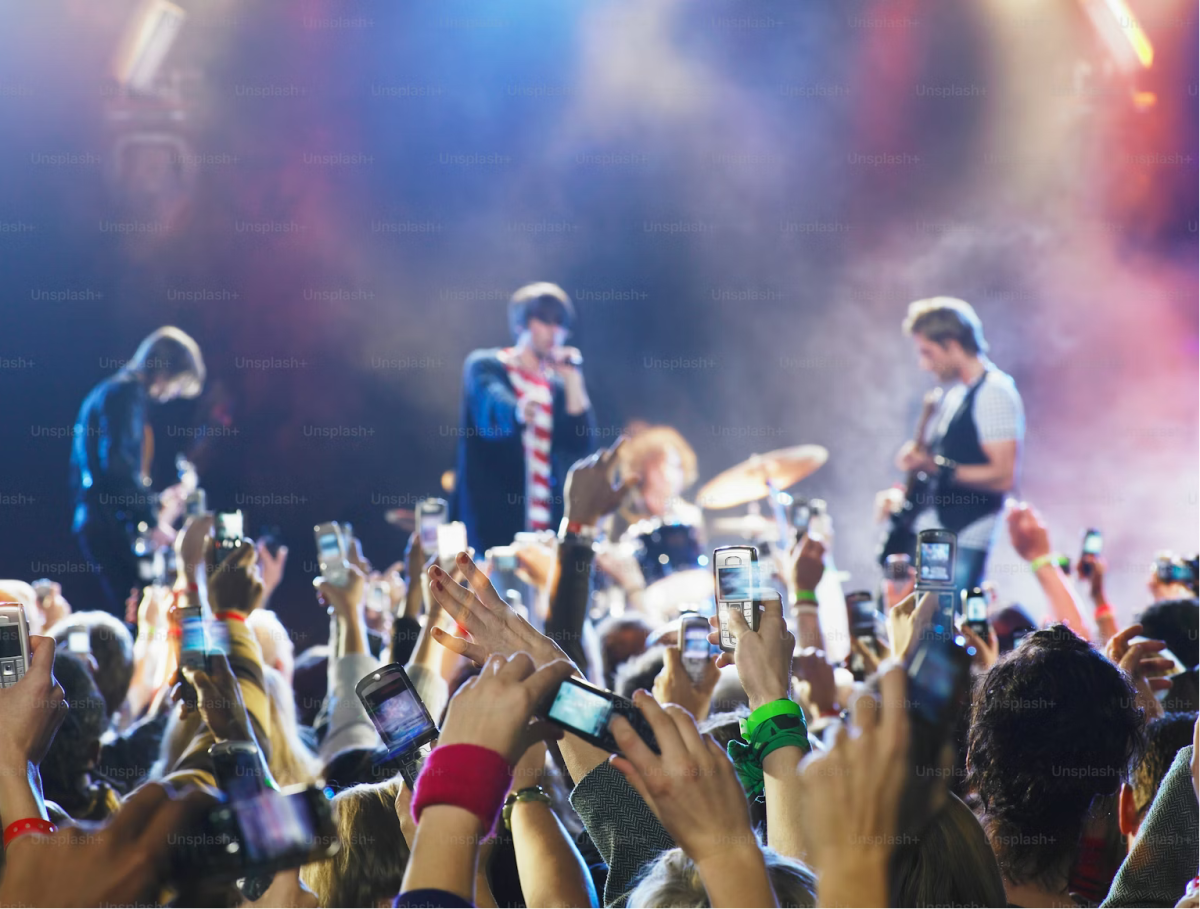
It’s no coincidence that there’s been an influx of pop stars that have risen to fame (or risen even higher, for that matter) in recent years. When you hear “pop star,” it’s almost undoubted that you think of at least one of these women: Taylor Swift, Sabrina Carpenter, Olivia Rodrigo, Ariana Grande, Chappell Roan — the list could go on for miles. I’m sure you could think of even more
But have you ever found yourself wondering why? Why have these women shot off the charts, both musically and in aesthetic popularity? Why are concert tickets unfathomably hard to score and more expensive than ever? There are real, sociological reasons for this phenomenon.
The consumption of these artists’ music and merchandise is at an all time high. We are, quite obviously, in a primarily digital era. Everything is at our fingertips: streaming platforms, lyric breakdowns, celebrity interviews, event tickets, and more. Of course, the ease of access naturally would make numbers skyrocket, but that isn’t the reason for their popularity. The current generation’s loneliness, in tandem with said ease of access, is.
Writes Tish Harrison Warren in the New York Times, the popularity of these types of technologies diminishes one’s ability to view the mundanity and simplicity of our daily lives as important. This then prevents the creation of meaningful, real relationships in everyday life, be it romantic or platonic. The modern young mind (primarily ages 13-30) craves something larger — hence obsessions with bold colors and loud music, concerts filled with upwards of 70,000 people, and these larger than life musicians. This is the idealized version of life; they latch onto it. Rather than maintaining interpersonal relationships, they become parasocial.
Celebrities, while sometimes actively discouraging the parasocial behaviors exhibited by what we call “fangirls,” feed off of this and use their fans as a free marketing tool. What Adriana Concepcion calls “illusion of intimacy” in her article for the Carolina Political Review is the primary cause for this; it “creates a feedback loop: loyalty replaces critique, branding replaces leadership, and power hides behind personality.” Fans of these artists often defend them and support them blindly, despite criticism facing them (whether the criticism is valid and nuanced is a different conversation entirely).
It seems mutually beneficial to both parties in the moment, but is it really when one reads between the lines? It’s fun; it provides comfort, and it becomes not only entertainment, but a hobby. The consumers are provided with endless opportunities to stream different versions of songs that are released, greeted with a slew of slightly altered variations of vinyl albums and CDs to purchase, and grow their own specialized community. Artists are promoted for free by their fans wearing their branded merchandise, posting screenshots of their music to their Instagram stories, and end up bringing in a major profit. The downfall, though, comes when fans are taken advantage of and when artists are unable to live a somewhat-private life. This cycle then also makes ticket prices skyrocket, causes their music to become nearly unavoidable (whether it’s for better or for worse is subjective), and turns them into household names.
Being a fangirl is fun, but it’s best to do so responsibly.
Photo sourced from Unsplash.